 with Tamara Rose
Answers · Creating change
How Your Thoughts Shape Your Reality, and Why Affirmations Work Best at Night
You've probably heard that affirmations can help you create the life you want, and you may have tried them with mixed results. Your thoughts and beliefs really do shape what you create, and there's science behind why affirmations help, why bedtime is an especially powerful time to use them, and why for some people they still don't seem to stick.
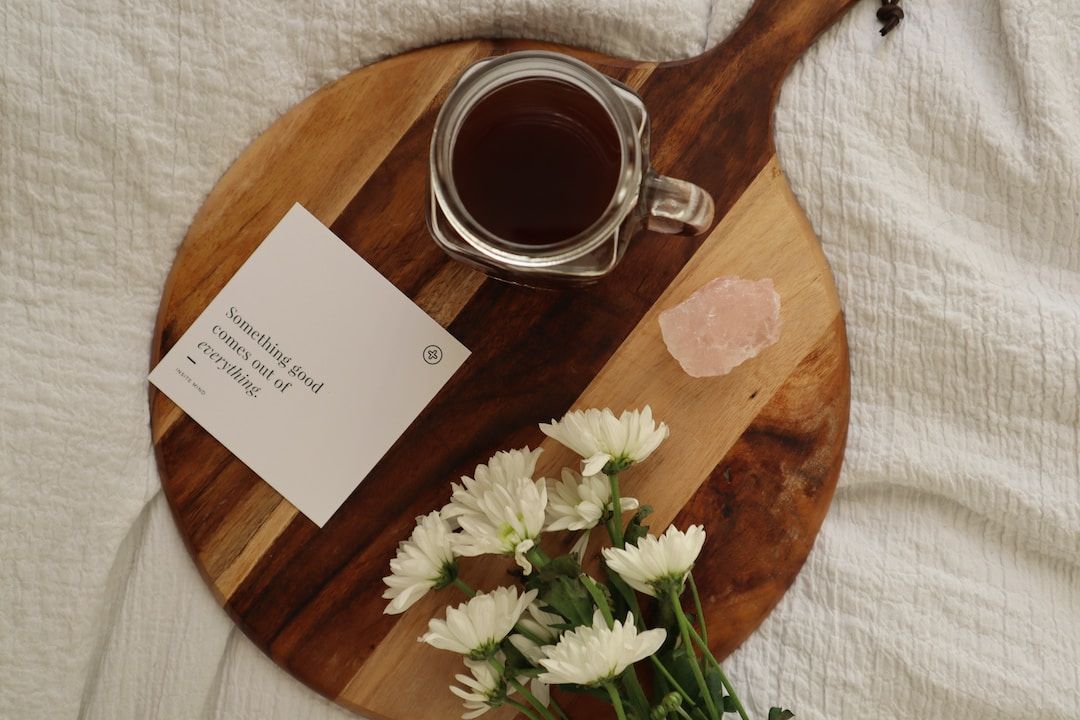
The power of "I am"
Many spiritual traditions teach that the words "I am" are some of the most powerful we speak, because whatever follows them becomes an instruction about who we are. When you say "I am exhausted" or "I am never enough" every day, you reinforce that identity; when you choose your "I am" statements on purpose, you start shaping your thoughts and beliefs in a new direction.
What science says about affirmations
A 2013 study led by Carnegie Mellon researchers, published in PLOS ONE, found that a brief self-affirmation exercise improved problem-solving under pressure for chronically stressed students who had been underperforming. A 2016 brain imaging study in Social Cognitive and Affective Neuroscience found that self-affirmation activates regions tied to self-related processing and reward, which may be why affirmations can boost motivation toward what matters to you.
Why affirmations before sleep are so powerful
The minutes just before you fall asleep, often called the hypnagogic state, are when your conscious, analytical mind starts to relax. In my teaching, I treat it as a time when the subconscious is especially receptive, so the last thoughts you hold as you drift off can carry into how you feel when you wake. Repeating a few heartfelt affirmations in bed, or listening to them, is a gentle way to set the tone for tomorrow.
How to use bedtime affirmations
- Choose three to five statements in the present tense, such as "I am safe," "I am worthy of rest" or "I am creating a life I love."
- Say them slowly, and let yourself feel them instead of rushing through.
- Pick words your body can almost believe; a stretch is good, but a statement that feels like a lie tends to create resistance.
- Keep them on your nightstand or record them in your own voice.
When affirmations don't stick
If you've repeated affirmations faithfully and nothing changes, you're not doing it wrong. Words reach your thoughts, but a pattern also lives in your feelings, your body and your energy, and when those disagree with what you're saying, the old belief usually wins. I talk through what to do instead in the podcast episode why your affirmations don't stick, and what does.
Keep exploring
- Why don't my affirmations stick?
- I know what I need to do, so why can't I do it?
- How can morning journaling change my day?
Common questions
Can your thoughts really shape your reality?
Your thoughts and beliefs shape what you notice, how you feel and which actions you take, which in turn shapes your results. A 2013 study on self-affirmation found that affirming what matters to you improved problem-solving under stress.
Is it better to say affirmations at night?
Bedtime is a powerful time because your analytical mind is relaxing and the last thoughts you hold carry into the morning. Many people use them both morning and night.
Why don't my affirmations work?
Usually because the belief underneath is held in your feelings and body, not only your thoughts, so the words and the pattern disagree. Clearing the pattern is what lets new beliefs take hold.
Sources
- Creswell, J. D., Dutcher, J. M., Klein, W. M. P., Harris, P. R., & Levine, J. M., Carnegie Mellon University (2013). Self-affirmation improves problem-solving under stress. PLOS ONE.
- Cascio, C. N., et al. (2016). Self-affirmation activates brain systems associated with self-related processing and reward and is reinforced by future orientation. Social Cognitive and Affective Neuroscience.
This article is for education and everyday wellbeing; it isn't medical advice. If you're struggling with your sleep, mood or health, please talk with a licensed professional. Keep reading: all answers · the free community · about Tamara Rose